
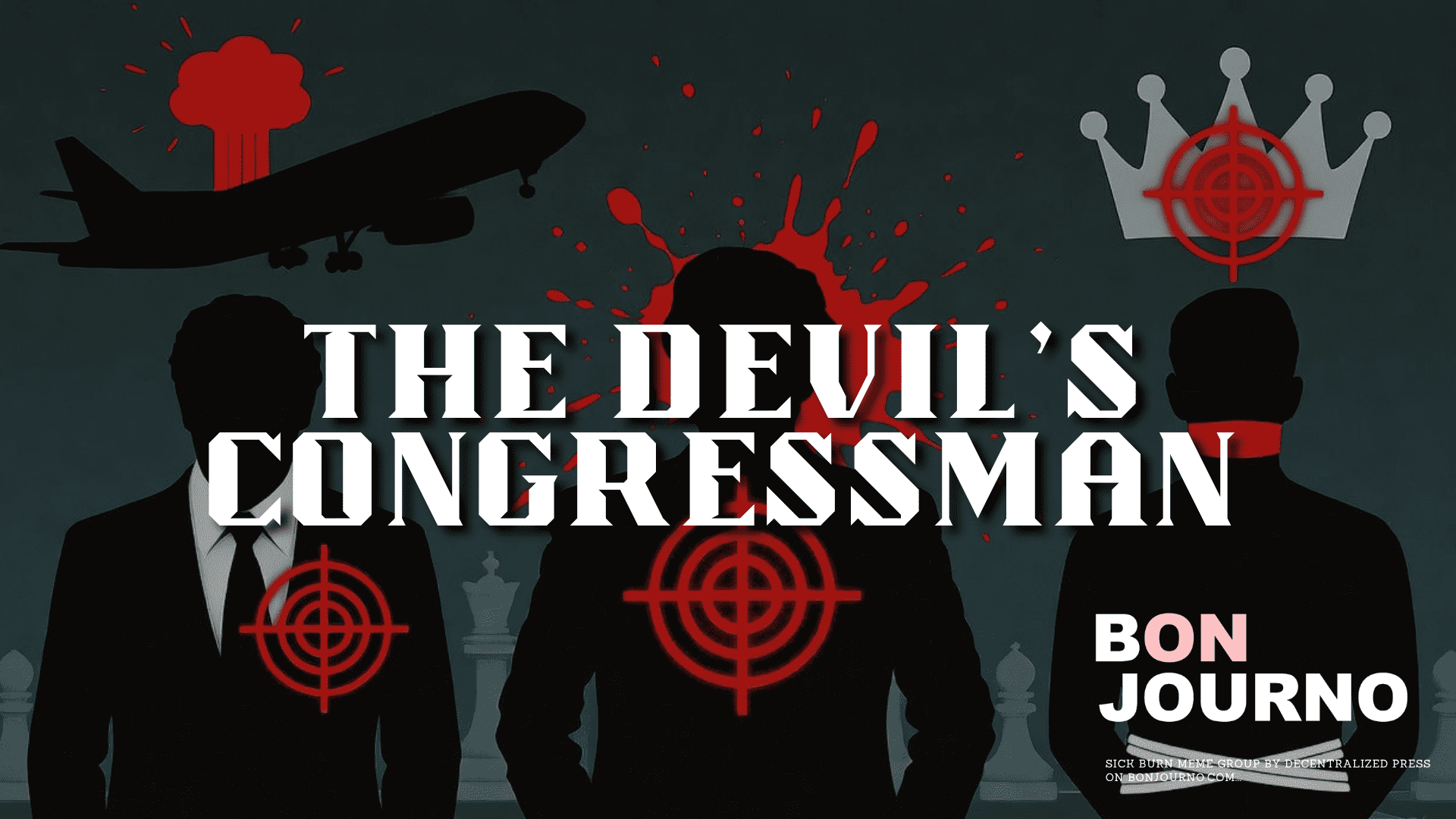
In Colombia’s dark chapter of the 1980s, Pablo Escobar wasn’t just a drug lord—he played chess while everyone else drank tequila. He consolidated power through acts so violent, they still haunt history. And yes, if this were a moral courtroom, you’d be asking: who’s guilty—and is it just him, or the environment that let him flourish?
Here are five of his most gruesome power moves, all real, all terrifying.
1. Assassination of Rodrigo Lara Bonilla (1984)
Escobar ordered the murder of Colombia’s Justice Minister, Rodrigo Lara, gunned down in Bogotá. Lara had publicly accused Escobar and the Medellín Cartel of corruption, drug trafficking, and compromise. To Escobar, that was a threat too large, so he eliminated it.
2. Avianca Flight 203 Bombing (1989)
He built a bomb to kill presidential candidate César Gaviria. Whether or not Gaviria got on the flight, 107 innocent people didn’t survive. Escobar used terror via airplane, turning citizens into collateral for politics.
3. Assassination of Luis Carlos Galán (1989)
Galán was emblematic: young, popular, campaigning fiercely against drug cartels and pushing for extradition treaties. Escobar arranged for him to be shot at a dramatic political rally in front of thousands. The message: challenge me, and you die.
4. Kidnappings & Political Hostage Games
Escobar didn’t always kill immediately; he kidnapped elites, journalists, politicians, and their families to coerce the government. One infamous case: journalist Diana Turbay, whose death during a rescue attempt became a chilling symbol of Escobar’s cruel games. (Though details vary, the betrayal and negotiation gambits are well-documented in Colombian history).
5. Building a Political Mask
For a period, Escobar entered politics himself, elected as an alternate member of Colombia’s Congress in 1982. He pushed anti-extradition laws, seeking legitimacy and legal protection. When exposed, he retaliated violently against opponents. His moves show not just brute force, but a strategy: legitimacy, fear, and corruption.
