
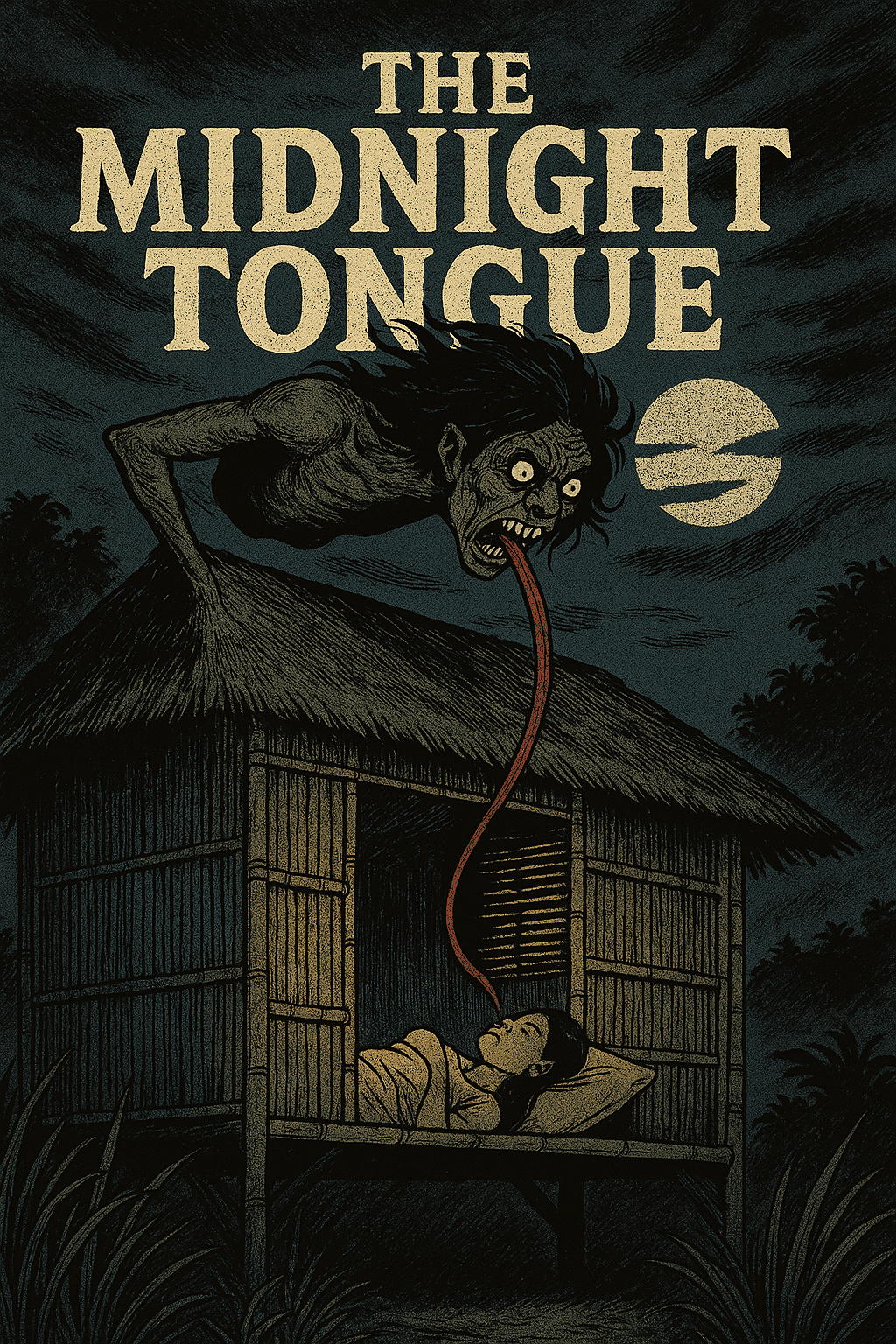
In the rich tapestry of Philippine mythology, few creatures evoke as much fear and fascination as the Ungo and the Aswang. These beings, steeped in centuries of oral tradition, are more than just monsters—they’re reflections of cultural anxieties, moral lessons, and the enduring power of storytelling.
The term Ungo varies in meaning across regions, but it’s often used to describe a ghost, monster, or supernatural entity. In Waray and Bisaya cultures, the Ungo is a hairy, nocturnal spirit that roams the countryside, sometimes appearing as a giant or a shadowy figure. It’s said to walk toward humans silently, a loner that thrives in darkness.
One of the most famous Ungo legends comes from Tuburan, Cebu, where the tale of Lily—a woman cursed to become an Ungo—has haunted generations. Lily was believed to transform at night, stealing slippers and stalking children who stayed out past dusk. Her story became so iconic that it inspired a Bisaya-language film, blurring the line between myth and misunderstood humanity.
The Aswang is arguably the most infamous creature in Filipino folklore. It’s a shape-shifting monster that can appear as a beautiful woman by day and a bloodthirsty predator by night. Depending on the region, the Aswang may resemble a vampire, ghoul, witch, or even a dog or bird.
Its most terrifying trait? A proboscis-like tongue used to suck blood or fetuses from pregnant women. Some versions detach their upper bodies and fly through the night, hunting for victims. Others feast on corpses, lurking near cemeteries and exhuming fresh graves.
Despite its horror, the Aswang also serves as a symbol of societal fears—from betrayal and illness to the dangers of isolation. It’s a cautionary tale wrapped in supernatural dread.
Today, these myths live on in films, comics, and even academic studies. They continue to evolve, adapting to modern fears while preserving the eerie essence of Filipino folklore. While the filipino belief that rain is harmful to babies is the most anti-scientific belief which is present in every day culture, the belief in these supernatural creatures is similarly pervasive.
